Children

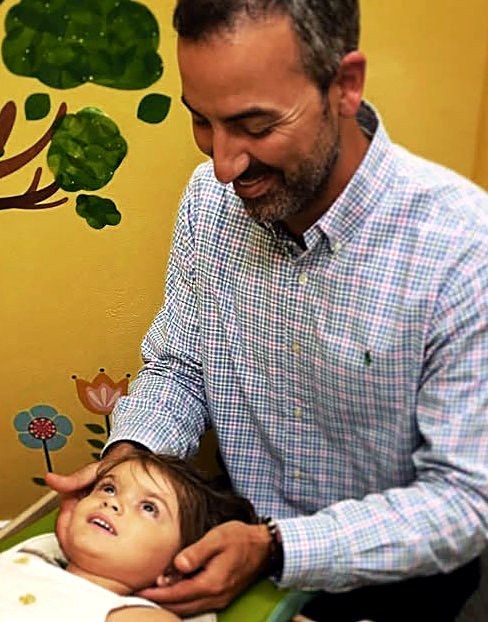
Many people are apprehensive to take their children to a Chiropractor because they think of the “snap, crackle, pop” that most adults experience when they visit a Doctor of Chiropractic. However, the technique and approach that we have towards children and infants is very different than that of adults. Our technique is very gentle and is performed with a light touch. It is not a manual adjustment comparable to what adults receive when they visit a Chiropractor.

Back Pain

While back pain is very common for adults, kids and teens are much more resilient and flexible and do not suffer the same types of back injuries to which adults are subject. Because children rarely suffer from back pain, any complaint by a child or teenager about acute back pain or chronic back pain is taken very seriously.

At a young age, if a child has back pain there is greater concern for the possibility of a serious condition – such as a spinal tumor, growth, an infection of the spine, or ankylosing spondylitis. If the back pain persists in a younger child despite a lack of re-injury, or if there are other symptoms suggestive of a more insidious process, the child’s condition will most likely be considered atypical.  In that case, further work-up and medical examination will be indicated. Backpacks are another large culprit associated in back pain in kids. Most kids carry up to half their body weight in books for up to six hours a day, five days a week. Proper posture and backpack carrying safety is a must in prevention of back pain in kids.

Scoliosis

Scoliosis is a condition of the spine involving curvature in an S- or C-shape. Scoliosis usually starts in adolescence, and if left untreated it can become very painful later in life.

People with scoliosis commonly see a spine specialist because they notice a problem with their dexterity and posture. If you have scoliosis, you may notice that one shoulder or hip may be higher than the other, one shoulder blade may be higher and stick out farther than the other (called “scapular winging”), and that these deformities are more noticeable when bending over. A “rib hump” – a hump on your back that sticks up when you bend forward – may occur. This occurs because the ribs on one side angle more than on the other and one arm hangs longer than the other due to a tilt in the upper body.

There are simple orthopedic tests we can perform along with x-rays to check your child’s spine for any indications of scoliosis. When detected early, we can re-align the curves of the spine to a healthy and normal position with spinal adjustments and traction. We have helped many children and adults with scoliosis to live a better, “straighter” life.

Otitis Media

Otitis media is an infection of the inner ear. It is estimated that over 70% of children suffer from otitis media at some point in their life. An earache can result when the eustachian tube – which connects the middle ear with the throat – enlarges and becomes inflamed. This inflammation prevents proper drainage.

The ear drum in a child is angled in a horizontal manner, whereas in an adult it is angled more inferior to allow proper drainage. Fluids can become trapped behind the eardrum, often putting painful pressure on the inner ear canal. A common treatment is the use of oral antibiotics. But, as most parents can attest and and some research shows, this treatment is often ineffective. In fact, the use of amoxicillin and other antibiotics can actually prolong the problem and increase its recurrence by creating drug-resistant germs. The most drastic treatment approach involves the placement of small tubes in the eardrum to drain the middle ear. This treatment carries the general risk of anesthesia. Results can be short-lived, may produce scar tissue, invite infection, and do not address the real cause of the problem.

Instead, more and more parents are seeking chiropractic care for their children. Chiropractors evaluate a child for spinal problems in the upper cervical area that could affect the nerve supply to the ears. Chiropractic adjustments can help restore the integrity of the nervous system by removing subluxations. A study in the Journal of Clinical Chiropractic in Pediatrics evaluated three hundred children, most of whom had experienced several infections occurring less than six months apart. Children with mild infections were given three to five treatments to cervical vertebrae. The infections in these treated children cleared in an average of seven to nine days.

Most notable, however, is that six months after their initial visit, 80 percent of the children had not suffered a recurrence. During this time, some children received three to four maintenance adjustments, others required none (as determined by the practitioner). Chiropractors apply extremely light pressure, therefore your child should feel no discomfort during the spinal adjustments, Chiropractic care doesn’t treat earaches, but it often revives the body’s own inborn natural healing ability without drugs or surgery.

Colic

Colic can be described as unexplainable and uncontrollable crying in babies from 0 to 3 months old, more than 3 hours a day, more than 3 days a week for 3 weeks or more. The cause of colic is often unknown, however what we do know is that kids often deal with it better when they have a healthy spine and nervous system. When infants are in pain or discomfort, they cannot explain their issues the same way adults do. Imagine having a killer migraine and being unable to explain it to anyone or figure out how to stop the pain. Many times, infants in discomfort will result in crying or screaming because they cannot gain any relief or rest from what is ailing them.

Due to the trauma of most birthing processes, many infants will come out of the womb with severe vertebral misalignments and cranial overlapping. Chiropractic can help with these problems. Rremoving sublaxations in newborns can often be a great source of relief to an infant – resulting in less crying and more sleep for both baby and parents. In fact, one South African study by Mercer and Cook showed that 93% of infants under chiropractic care had a complete resolution of symptoms. Another Danish study showed that 94% of parents saw improvement in their child within two weeks of beginning care.

Enurisis (Bed Wetting)

Most children wet the bed for the first few years of life, but by the age of four or five children should be able to establish proper bladder control. Enuresis refers to the inability of a child to establish this proper bladder control, which results in involuntary urination. Bed wetting can be attributed to a number of factors – including psychological issues, pathological issues,, or misalignments in the sacral and lumbar area causing spinal nerve interference to the body’s bladder system. The nerve supply to these muscles comes via the sacral parasympathetic nerves from S2 to S4. Appropriate bladder function is also controlled by the urogenital diaphragm, which derives its nerve supply from the L2 spinal nerve.

The sacrum is made up of five segments, all of which fuse later in life. Because the sacrum consists of separate segments during the early years of life, it is possible that misalignment of these segments can cause nerve irritation or facilitation. This nerve facilitation – especially to the area of the bladder – may be the cause of the inappropriate bladder function associated with bed-wetting. During early years of life, the sacrum can be subjected to repeated trauma from childhood falls and the early attempts at walking. This early trauma to the sacrum may be the major reason why bed-wetting in some patients ceases after the spine is adjusted.

ADD, ADHD, Autism, and Behavioral Disorders

Pediatric disorders such as Autism, ADHD, chronic illness, learning and language delay, and digestive and behavioral disorders have become epidemic. Research is showing that these children are coming from families with a history of brain-immuno-gut disorders such as allergies, digestive disorders, anxiety, and depression. Autism, ADD, and behavioral disorders are on the rise due to lack of proper nutrition , environmental toxins, stress, and various vaccinations.

Chiropractic helps to identify and remove toxins in the environment, change dietary conditions, and remove harmful stimuli to the nervous system. Studies show that traumatic and even non-traumatic birthing processes can cause cranial overlapping – leading to decreased neurological development as well as aggressive and frustrated childhood behavior. Studies reveal that children with autism, ADD and behavioral disorders who receive chiropractic care have improved sleep, increased neurological functioning, and improved attitude and behavior.

Headaches

Approximately four out of five children have headaches at some point, but most are benign and self-resolving. In fact, many adults who suffer from headaches report having their first headache in childhood. Early diagnosis and treatment are important in identifying a serious underlying cause for your headache. In most cases, an in-depth history and physical examination can help determine if your symptoms are related to an easily treated problem or if it is more serious.

Headaches can range from dull and achy to severe and sharp head pain. There can be many causes of headaches – stress, fear, seasonal allergies, cervical subluxations from birth or childhood, tumors, and ocular issues can all cause headaches in children. If headaches persist, it is important to get them checked immediately for further evaluation – especially in children. Also, keeping a diary of headaches with information like time, temperature, frequency, location of the headache (the front, back, or side of the head), how long do they last, and whether the child shows nausea or vomiting should be noted and consulted with the doctor.

Asthma/Allergies

Chirpractic care has helped many patients and children find relief from chronic asthma and allergies. Allergies are simply a reaction of a hypersensitive immune system responding to normal antigens in the environment. There is ample research documenting the intimate connection between the spinal column, the nervous system, and the respiratory system.

The primary muscle for breathing is the diaphragm. It is actually composed of two muscles – the left and right hemidiaphragms – which separate the chest and abdominal cavities. The phrenic nerve (C3, C4, C5 neck nerves) powers the diaphragm. If subluxations interefere with the nerve supply, the diaphragm weakens and breathing becomes impaired. When coughing or sneezing persists, this can cause multiple subluxations in the thoracics and ribs – leading to restricted breathing, decrease in restful sleep, and nerve interference to the lungs and thoracic region of the body. The nervous system seems to be the controlling factor for the immune system. Chiropractic frees up the nerves so that they are not irritated and hypersensitive to stimuli.

Chiropractic adjustments will often produce immediate relaxation of the neck musculature responsible for obstructing the lymphatic (neck) drainage. These adjustments improve respiratory function by restoring normal nerve function – which in turn may result in symptomatic improvement in bronchitis and asthma. In several studies, researchers found that spinal adjustments induce respiratory function and chest mobility.

Nutrition for Kids

Nutrition for kids is extremely important, especially because many childhood disease processes are linked to poor nutrition. Taking some time to understand the basics of child nutrition can help you avoid common mistakes – as well as teaching you to make healthy choices, teaching you about new things like probiotics, and teaching your kids healthy eating habits.

Probiotics are essential to maintaining a healthy normal intestinal system and a balance of good bacteria in the gut. Colostrom is also a very important part of boosting childhood immune system. Eating a well-balanced, proper diet and taking high quality whole food  multivitamins daily can decrease childhood obesity as well as sickness and disease.

Children’s Chiropractic Safety Research:

The ICPA has initiated a ground breaking study on the safety and effectiveness of chiropractic care for children. The preliminary results are outstanding and show that chiropractic care is safe for children. Even more significant is that parents reported three unexpected improvements with their child’s care:

  1. Improved sleeping
  2. Improved behavior and attitude
  3. Improved immune system function

You can read the press release and abstracts here