
Stratford Shelton Seymour Chiropractor

Structural Chiropractic
- Restoring and protecting your body's normal structural alignment is of paramount importance in maintaining optimal health.

Prenatal Chiropractic
- Dr. Peter Braglia has received advanced training and is certified in the Webster Technique, a specific analysis and adjustment used for pregnant mothers.

Pediatric Chiropractic
- From birth trauma to everyday bumps and falls, we offer natural drug-free solutions to keep your child developing at full potential.
Our Services
Reviews & Ratings
Read a sample of what some of our patients have said about the transformations in their own lives.
FAQs
The following are the most common questions we encounter from those who are new to our office
Meet the Doctor
Dr. Braglia believes that normal structural alignment allows you to express your optimal potential.
New Patient Center
In this area of the website you will be able to take care of items necessary for your visit prior to arriving, in the comfort of your own home.
Webster Technique
This technique helps to correct sacral misalignment, balance pelvic muscles and ligaments and allows the baby to get into the best possible position for birth.
Our Approach
Reversing structural abnormalities using specific customized chiropractic care gets to the underlying cause of many conditions.
Latest Articles
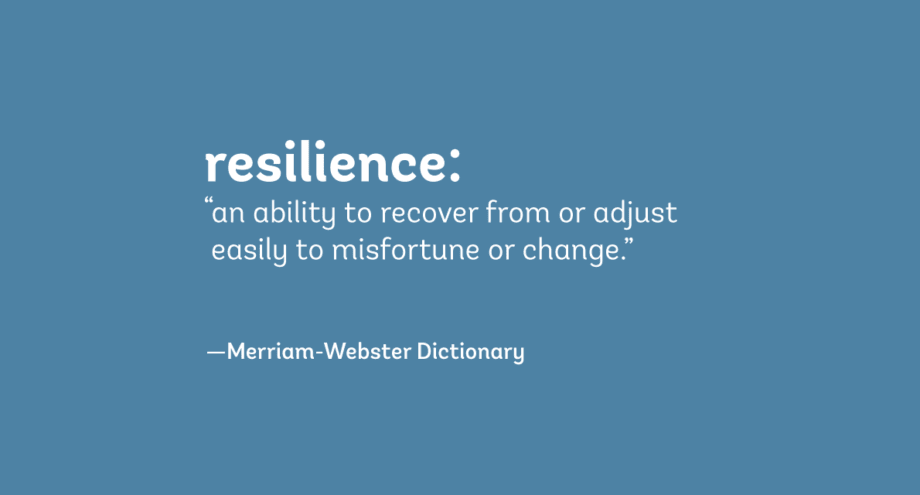
The Importance of Resilience
True Health is based on resilience – not how you feel. Thousands of studies over recent decades show that people of all ages who are resilient tend to have better health and well-being outcomes than those who do not possess resiliency. In simple terms, resilience is doing well when you shouldn’t be doing well. When
Read More
5 Foods To Help Reduce Stress
How many times have we heard that “food is medicine”? Well, there’s a reason we keep hearing it: it’s true. Eating healthy can actually offer some real stress relief. Here are 5 foods to help you beat stress naturally: Dark leafy greens: These are rich in folate which helps your body produce seratonin and dopamine
Read More
5 Ways to Eat Healthy on a Budget
If you’re looking for more bang for your buck in the food department, follow these tips: 1️⃣ Support local farmers in your own area. Join a CSA (you’ll eat in season which is cheaper & will taste better). 2️⃣ Bulk bins are your friend (you don’t pay for packaging/labels/advertising) & you only buy what you need. 3️⃣ Grow
Read MoreOur Patients Speak
Seeing Dr. Braglia every week keeps our family healthy and able to recover more quickly when we do become ill. He is a genuine person and an excellent health care provider.
( Bonnie G. )
As Featured In