
Which Sleep Position is Best?

As a Chiropractor, one of the questions we often ask is: What position do you sleep in? The reason is, your preferred sleep position could be giving you back and neck pain, stomach troubles, or even be aging you prematurely. CNN Health has listed both the best positions for your body, and the ones to avoid.

The Best: Back position

Sleeping on your back makes it easy for your head, neck, and spine to maintain a neutral position. Plus, you’re not putting pressure on the spine by forcing curves into it. In addition, it prevents neck and back pain, reduces acid reflux, and minimizes wrinkles. However, it is a bad position in terms of snoring. Only use one pillow if you sleep on your back, your head should not be pushed forward. Continue reading “Which Sleep Position is Best?”
Take Control of Your Health

When it comes to health care, western medicine has always taught its patients that they are victims of their genes, hereditary issues, etc. They tell us that if our grandfather had heart disease and our father had heart disease/attacks, then our fate is sealed and we are set-up to be an unavoidable victim. We are told that disease is something you’re stricken with, not something you develop or create on your own or lifestyle induced. This victim mentality has allowed the pharmaceutical industry to flourish and prey upon the public’s misunderstanding regarding disease as well their ability to take control of their life and health.

The newest, cutting-edge science, research, and technology have proven that we can choose not to be victims. We don’t have to accept that our health destiny is set in stone and that the reason our cholesterol is 350, we’re 80 pounds overweight, or walk around with 300 blood sugar and are a type II diabetic is all due to bad genes. The new science says different. Continue reading “Take Control of Your Health”

Do Cortisone Shots Make Things Worse?

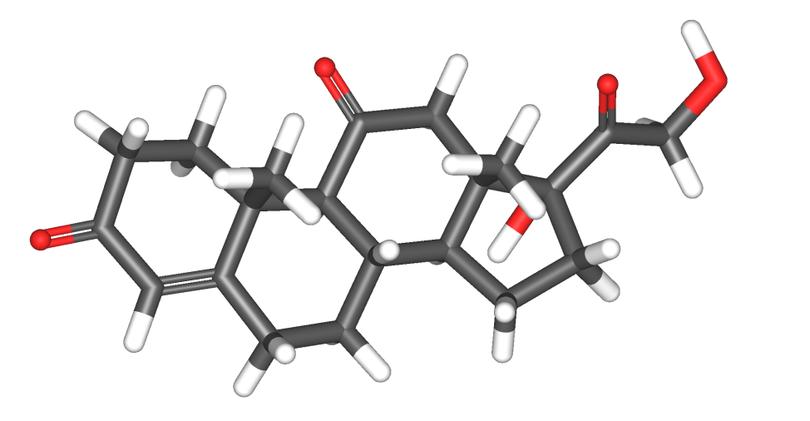
A major new article review recently published in The Lancet reveals what many in the natural health profession have suspected for a long time.  The review examined the results of over 40 randomized trials and over 2500 patients with tendon injuries. The reviewers found that cortisone injections did in fact provide fast and significant pain relief compared with doing nothing or partaking in physical therapy. However, cortisone shots did not heal the structural damage underlying the pain. Instead, they actually hindered the structural healing.

When patients who received cortisone injections were re-examined at 6 and 12 months, the results were alarming. Overall, people who received cortisone shots had a much lower rate of full recovery than those who did nothing or who underwent physical therapy. Continue reading “Do Cortisone Shots Make Things Worse?”

True Health Care Reform

Patients’ Regular Utilization of Chiropractic Care REDUCES the need for:

HOSPITALIZATION by 60%

HOSPITAL DAYS by 59%

PHARMACEUTICAL USAGE by 85%

OUTPATIENT SURGERIES & PROCEDURES by 62%

OVERALL GLOBAL HEALTHCARE COST by 50%

Most importantly, these statistics come not from a chiropractic study done by chiropractors, this is according to a clinical and cost utilization study conducted by an independent physician association done over a 7-year period, that includes doctors of ALL licenses. (JMPT Volume 20, Issue 4, Pgs 263-269, by Richard Sarnat, M.D.) Continue reading “True Health Care Reform”

ADHD: Change in Diet Helps More Than Drugs

A new study published in the Lancet, shows that a restrictive diet helps children with ADHD more than drugs.

The study’s lead author, Dr. Lidy Pelsser of the ADHD Research Centre in the Netherlands, writes in The Lancet that the disorder is triggered in many cases by external factors — and those can be treated through changes to one’s environment.

In an interview with NPR, she explains further:

“ADHD, it’s just a couple of symptoms — it’s not a disease,”According to Pelsser, 64 percent of children diagnosed with ADHD are actually experiencing a hypersensitivity to food. Researchers determined that by starting kids on a very elaborate diet, then restricting it over a few weeks’ time. Continue reading “ADHD: Change in Diet Helps More Than Drugs”