


When It’s More Than “Just Muscle”

When It's Not "Just Muscle"

Being a chiropractor, one of the most common things I hear when people find out my profession is the list of aches and pains of the people in a group, and I’m happy to help and provide insight into the problem whenever this situation arises. Although I’ve noticed that a common thread runs through their descriptions of their health issues, and it goes something like this: “Oh, my back has been killing me for years… but I’m sure it’s just muscle.

I have an idea as to what they are really saying, and it’s typically that they’re just not interested in making the time and financial investment that goes along with addressing and correcting the problem. But, lets go ahead and address the inherent problem with this statement, and go over some strategies to help identify some common problems and how to handle them on your own.

The Problem of being “Just Muscle”

Muscles are not tissues that operate in a vacuum of space and time. Our muscles are covered in fat, connective tissue (called fascia), connected to blood supply, and studded with nerve supply. In addition, muscles have multiple connections to various bone structures. The fascia wrapping around the muscles sometimes connected multiple muscles together across various joints.

The sheer number of pain generating tissues that are intimately related to our muscles is more complex than we could have imagined. Take these examples: A pain in your back can easily be traced to a muscle at the front of your leg. A pain in your shoulder can be a nerve traced from your neck. A pain in the calf can easily be a problem with an artery in the leg.

In essence, telling a chiropractor that you’ve had a pain in your spine for years and saying it’s “just muscle” is like telling a Medical Physician that you’ve had a cough for years, and telling them that it’s probably “just a bug”. The truth is, there is likely something more complex going on, and it should probably be addressed before it becomes a more problematic and chronic issue. Continue reading “When It’s More Than “Just Muscle””

What You May Not Know About Chiropractic

What You Don't Know About Chiropractic

When most people think of chiropractic care, they think of traditional chiropractors who focus on decreasing muscular spasm, increasing range of motion, and reducing pain. This is how most chiropractors practice, and most of them are great at what they do. This falls under the umbrella category of symptom relief/symptom management. Now, what you may not know about chiropractic care is that symptoms are the secondary condition of an underlying cause.

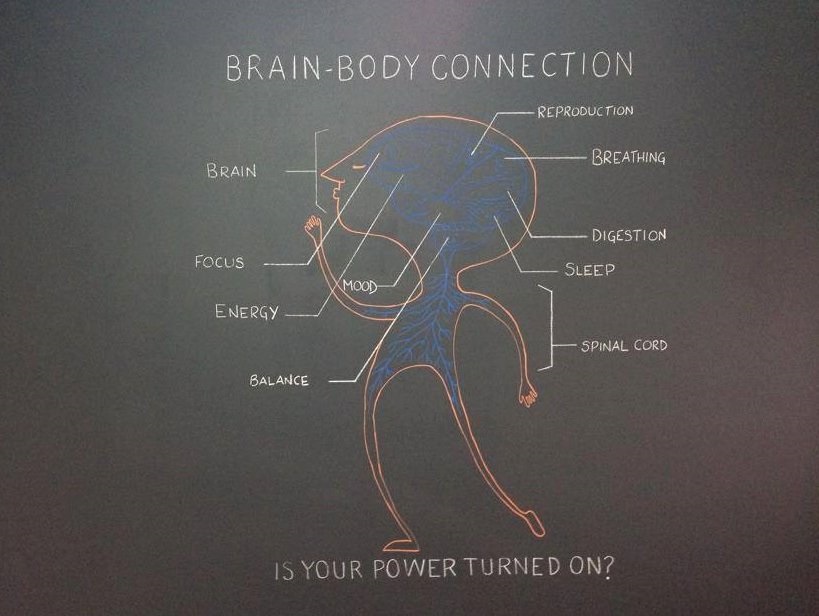
In our office we focus on structural correction. You see, once the spine shifts and disrupts the spinal nerves and spinal cord, it can create many different secondary conditions or symptoms. The reason these are called secondary conditions is because they are a result of the primary structural shift, or the underlying cause. Once found, a specific adjustment of only those segments of the spine that are actually shifted is needed. With care for not disturbing those vertebrae that are in proper alignment, the chiropractic adjustment respects the spine for good reason – your spine protects the nervous system which controls everything in your body.

The location of the structural shift and where the nerves are being disrupted will give us an idea about your secondary conditions. Most people are unaware of the many ways chiropractic can help these conditions; here are just a few examples: Continue reading “What You May Not Know About Chiropractic”

Omega 3 For Athletic Performance

Omega 3 For Athletic Peformance

Essential fats are required fats we cannot make and therefore must consume from an outside source. One category of these fats found in fish oil – Omega 3 fats – are a must when it comes to optimal athletic performance. Here are some of the ways they can help you maximize your performance and get results.

Faster recovery: Omega-3 fatty acids are renowned for their anti-inflammatory properties.  After a tough workout, you may feel sore or stiff, or you might experience swelling, redness or tenderness in certain areas. This is called inflammation, and it’s the body’s way of protecting itself. It can also slow down the body’s recovery process and tissue repair.  Look for a supplement high in EPA, which is the essential fatty acid with the most anti-inflammatory properties.

Less soreness: Omega-3 assists blood flow to muscles during exercise, and some studies show supplementation decreases muscle soreness by 35%. As well, athletes with a high omega-3 intake experience less swelling and an increased range of motion after a workout.

Increased fat burning and metabolism: Studies show that omega-3 supplementation combined with exercise leads to increased fat burning in muscles and inhibits fat storage.

Increased mental focus and concentration: Omega-3 has been linked with an increase in clarity, memory, and concentration and can actually help you stay focused and alert.

Improved cardiovascular function: Omega-3 improves heart parameters during exercise by reducing heart rate and improving oxygen delivery to the heart. Continue reading “Omega 3 For Athletic Performance”